



When your agency clients depend on high-converting WooCommerce stores, choosing the wrong development partner can damage your reputation and cost thousands in fixes. WooCommerce development partner evaluation requires a systematic approach that goes beyond portfolio reviews and hourly rates.
Table of content
- Technical Expertise Assessment in WooCommerce Development Partner Evaluation
- Portfolio Analysis Beyond Surface-Level Reviews
- Project Management and Communication Standards
- Performance Optimization Capabilities
- Long-Term Support and Maintenance Approach
- Pricing Structure and Contract Terms Analysis
- Team Structure and Scalability Assessment
- Client Reference and Reputation Verification
- Frequently Asked Questions
- What red flags should immediately disqualify a potential partner?
Digital agencies managing multiple e-commerce projects face a critical decision: which development partner can consistently deliver stores that actually convert? The wrong choice leads to underperforming client stores, frustrated customers, and expensive rebuilds that eat into project margins.
This evaluation framework breaks down the 7 most critical factors for assessing WooCommerce development partners, helping you make confident outsourcing decisions that protect your agency’s reputation while delivering measurable client results.
Technical Expertise Assessment in WooCommerce Development Partner Evaluation
Technical competency forms the foundation of any successful WooCommerce partnership. However, evaluating true expertise requires looking beyond surface-level claims and examining specific technical indicators.
Start by examining their understanding of WooCommerce’s core architecture. A qualified partner should demonstrate knowledge of WooCommerce hooks, filters, and template hierarchy. Ask potential partners to explain how they would customize checkout flows without breaking core functionality—their response reveals whether they understand WooCommerce’s event-driven architecture or rely on problematic plugin stacking.
Database optimization knowledge separates competent developers from those who create slow, bloated stores. Request examples of how they’ve optimized product queries for stores with 10,000+ SKUs. Partners who mention custom indexing, query optimization, or database normalization strategies demonstrate the expertise needed for complex e-commerce projects.
Security practices provide another crucial assessment angle. Qualified partners should discuss PCI compliance requirements, secure payment processing implementation, and vulnerability mitigation strategies. They should understand WooCommerce-specific security concerns like abandoned cart data protection and customer information handling.
Portfolio Analysis Beyond Surface-Level Reviews
Most agencies review portfolios superficially, focusing on visual design rather than technical implementation quality. Effective WooCommerce development partner evaluation requires digging deeper into actual store performance and functionality.
Request access to 3-5 live stores they’ve built within the past 18 months. Test checkout flows on mobile devices, examine page load speeds using PageSpeed Insights, and evaluate the user experience during high-traffic periods. Partners confident in their work will readily provide live examples rather than static screenshots.
Analyze the complexity of featured projects. Building basic product catalog sites differs significantly from implementing complex B2B functionality, subscription models, or multi-vendor marketplaces. Ensure their portfolio includes projects matching your clients’ complexity requirements.
Pay attention to post-launch support evidence. Ask for references from clients whose stores they’ve maintained for 12+ months. Long-term client relationships indicate technical competency and reliable support—critical factors often overlooked during initial partner selection.

Project Management and Communication Standards
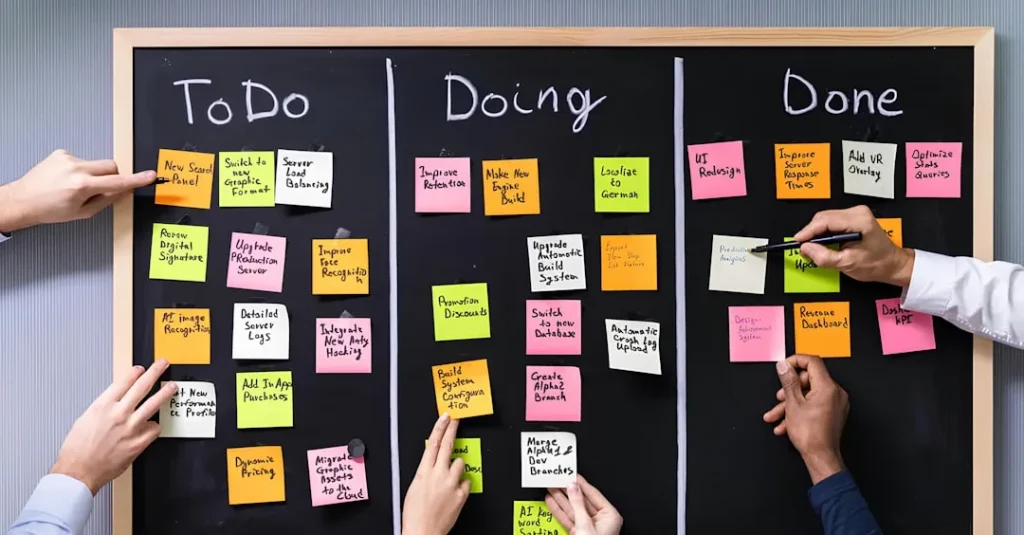
Technical skills mean nothing without proper project management. Poor communication and missed deadlines can destroy client relationships regardless of code quality. Your WooCommerce development partner evaluation must examine their operational processes.
Evaluate their project management methodology. Established partners use formal frameworks like Agile or Scrum, providing regular sprint reviews and transparent progress tracking. They should offer client portals or project management tools that give you real-time visibility into development progress.
Communication frequency and quality matter significantly. Partners should provide weekly progress updates, proactive issue notifications, and clear escalation procedures. Ask about their typical response times for urgent issues during business hours versus after-hours support availability.
Testing and quality assurance processes reveal operational maturity. Professional partners implement staging environments, user acceptance testing protocols, and pre-launch checklists. They should describe their bug tracking systems and explain how they handle quality control across multiple concurrent projects.
Performance Optimization Capabilities
WooCommerce stores that load slowly hemorrhage conversions, especially on mobile devices. Your development partner must demonstrate proven performance optimization expertise beyond basic caching plugins.
Ask potential partners to explain their approach to image optimization for e-commerce. Competent developers implement WebP conversion, lazy loading, and responsive image delivery. They should understand the performance impact of high-resolution product images and know how to balance visual quality with load times.
Database optimization becomes critical for stores with extensive product catalogs or complex configurations. Partners should discuss query optimization strategies, custom database indexing for product searches, and approaches for handling large transaction volumes without performance degradation.
Content Delivery Network (CDN) implementation and hosting optimization knowledge separate experienced partners from novices. They should understand how different hosting environments affect WooCommerce performance and be able to recommend specific hosting configurations for your clients’ needs.
Long-Term Support and Maintenance Approach
E-commerce stores require ongoing maintenance that goes far beyond WordPress core updates. Your WooCommerce development partner evaluation must examine their long-term support capabilities and maintenance philosophy.
Evaluate their update testing procedures. Professional partners use staging environments to test WooCommerce updates, plugin compatibility, and security patches before applying changes to live stores. They should maintain detailed testing checklists and rollback procedures for when updates cause conflicts.
Security monitoring capabilities matter significantly for e-commerce sites. Partners should implement proactive security scanning, malware detection, and intrusion monitoring. They need procedures for handling security incidents and should understand PCI compliance requirements for stores processing payments.
Performance monitoring and optimization services indicate a mature support operation. Partners should track site speed metrics, monitor uptime, and proactively address performance issues before they impact conversion rates. Ask about their alerting systems and response procedures for performance degradation.
Pricing Structure and Contract Terms Analysis
Transparent pricing and fair contract terms protect your agency from unexpected costs and scope creep. However, evaluating WooCommerce development pricing requires understanding what’s included versus what incurs additional charges.
Examine their approach to scope changes and additional feature requests. Professional partners provide detailed change order processes with upfront pricing for common modifications. They should distinguish between bug fixes (typically included) and feature enhancements (billable work).
Support tier structures reveal how partners handle ongoing maintenance. Many agencies offer tiered support levels with different response times and included services. Understand exactly what’s covered in each tier and how they handle emergency situations outside normal business hours.
Payment terms and project milestones should align with deliverable completion rather than arbitrary time periods. Partners confident in their processes typically offer milestone-based payments tied to specific project phases like design approval, development completion, and successful launch.
Team Structure and Scalability Assessment
Understanding your potential partner’s team structure helps predict project consistency and scalability. Single freelancers offer cost advantages but lack backup support, while large agencies may assign junior developers to your projects despite senior-level sales presentations.
Ask about team composition for your specific project size and complexity. Ideal partners assign dedicated project managers, lead developers, and QA specialists rather than rotating team members across multiple projects. Consistent team assignment ensures better communication and reduces knowledge transfer issues.
Evaluate their capacity for handling multiple concurrent projects. Partners should demonstrate systematic approaches to resource allocation and realistic timelines based on current workload. Overcommitted partners deliver delayed projects and reduced attention to detail.
Backup developer availability matters for long-term partnerships. Teams should have multiple developers familiar with WooCommerce development to handle vacations, illness, or staff turnover without project delays. Single points of failure create unnecessary business risks.
Client Reference and Reputation Verification
References provide insights into real working relationships that portfolios and sales presentations can’t reveal. However, most agencies request references casually rather than conducting thorough verification as part of WooCommerce development partner evaluation.
Request references from clients with similar project complexity and ongoing relationships spanning 12+ months. Short-term project references don’t reveal how partners handle long-term maintenance, emergency support, or evolving business requirements.
Ask specific questions about communication quality, deadline adherence, and problem resolution approaches. References should feel comfortable discussing challenges they’ve faced and how the partner resolved issues. Universally positive feedback without any mentioned difficulties often indicates coached responses.
Verify online reputation through industry forums, review platforms, and professional networks. Check for consistent feedback patterns across multiple sources rather than relying solely on testimonials from their website.
Frequently Asked Questions
How long should WooCommerce development partner evaluation take?
Thorough evaluation typically requires 2-3 weeks including initial discussions, portfolio review, reference checks, and technical assessment. Rushing this process often leads to partnership failures that cost more time and money than the initial evaluation investment.
What red flags should immediately disqualify a potential partner?
Immediate disqualifiers include reluctance to provide live site examples, lack of formal project management processes, no staging environment usage, unclear pricing structures, or inability to explain WooCommerce-specific technical challenges and solutions.
Should agencies prioritize cost or expertise when choosing partners?
Expertise should take priority over cost for WooCommerce projects. Cheap development often results in poor-performing stores that require expensive rebuilds, damaged client relationships, and lost recurring revenue opportunities. Quality partners provide better long-term ROI despite higher upfront costs.
How can agencies verify claimed WooCommerce expertise?
Request detailed explanations of how they’ve solved specific WooCommerce challenges like complex shipping calculations, custom payment gateways, or B2B functionality. Ask for code samples or technical documentation from previous projects. Genuine experts can explain complex concepts clearly and provide concrete examples.
Effective WooCommerce development partner evaluation protects your agency from costly mistakes while ensuring client success. By systematically assessing these seven critical factors—technical expertise, portfolio quality, project management, performance optimization, support capabilities, pricing transparency, and team structure—you can confidently select partners who enhance your agency’s reputation rather than risk it.
Ready to discuss your WooCommerce development needs with experienced professionals? Contact our team to explore how we can support your agency’s e-commerce projects with senior-level expertise and proven processes.
Developer experience
Throughout my years working with digital agencies on WooCommerce projects, I’ve seen too many partnerships fail because the initial evaluation focused on price and promises rather than proven capabilities. The agencies that succeed in e-commerce consistently apply systematic evaluation frameworks rather than making gut decisions. When I work with new agency partners, I notice they often skip the technical assessment phase entirely, then struggle later with performance issues and maintenance problems that could have been predicted during proper vetting. Taking time for thorough WooCommerce development partner evaluation always pays dividends in client satisfaction and project profitability.

